morning in the garden
Sometimes the simplest habits — sunlight, fresh air, and time outside — may do more for our health than we realize.
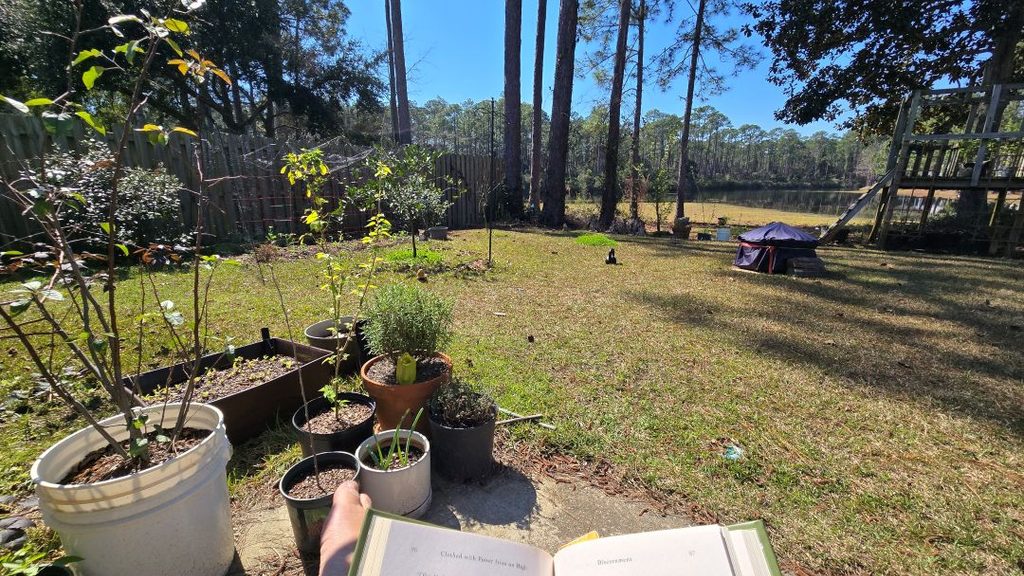
Morning light in the garden
This morning was cool and breezy — the kind of morning that pulls you outside before you even think about it.
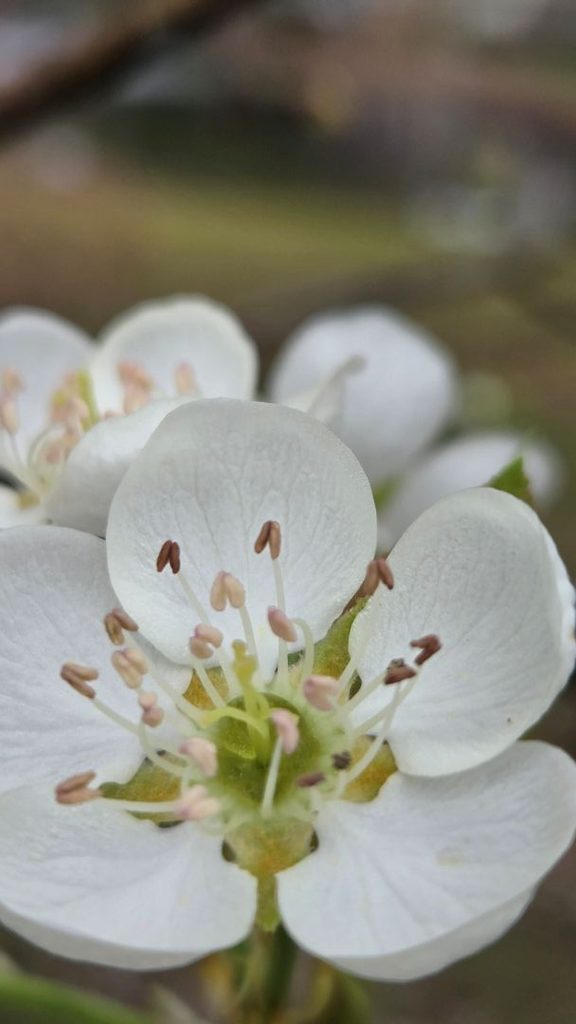
So I wandered around the yard with my phone snapping pictures of blossoms.
Everywhere I looked something was waking up.
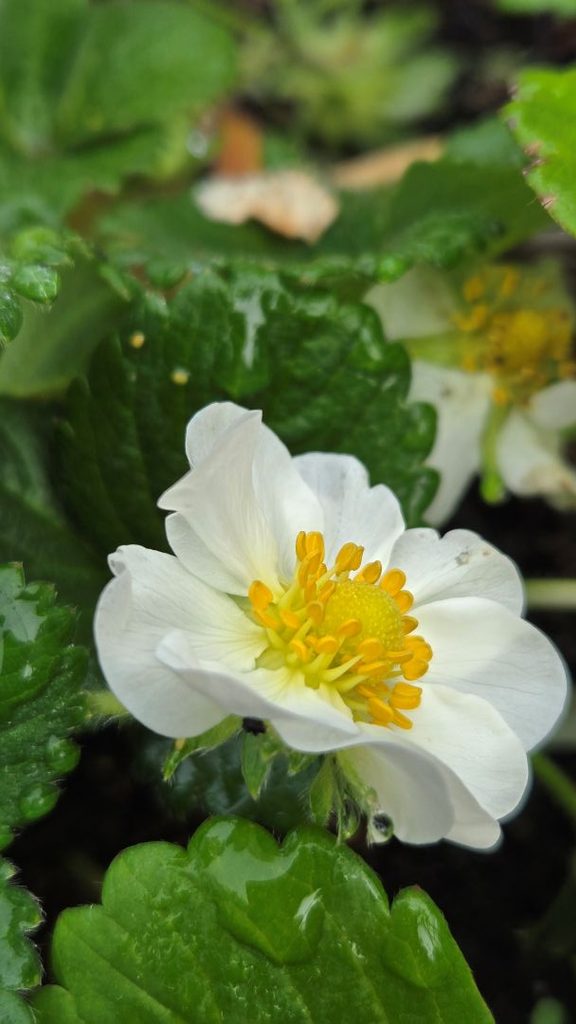
Strawberries are flowering.
Dewberries are creeping along the ground.
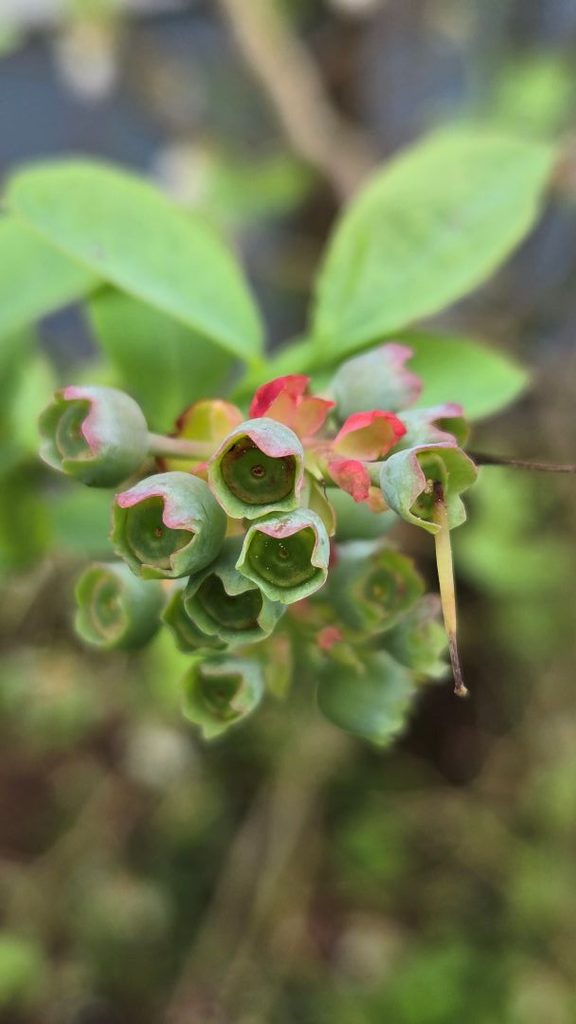
Blueberries are covered in blossoms.
The pear tree is budding.
Mulberries, figs, and grapes are getting ready for the season.
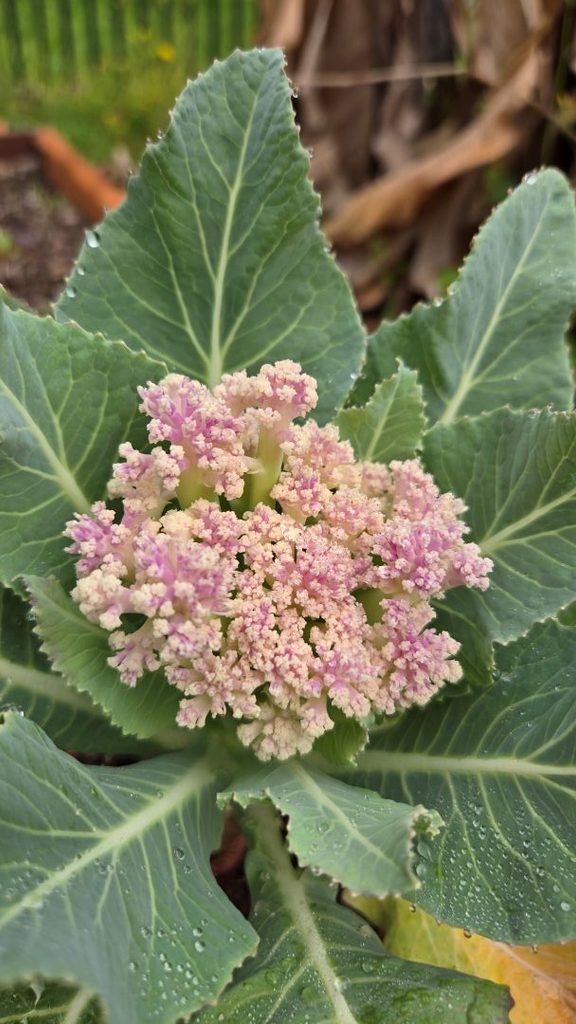
Peppers, broccoli, and cauliflower are already growing, and I’ve got squash plants started and flower seeds sown.
Spring always reminds me of something simple.
Life wants to grow.
And apparently it really likes morning light.
Nature wakes up with the sun
When you start paying attention, you notice that nature runs on rhythms.
Plants turn toward the light.
Birds start singing before the sun is fully up.
Flowers open and close depending on the time of day.
Everything seems to know when morning arrives.
It turns out our bodies are built the same way.
Scientists call it our circadian rhythm — the internal clock that tells our body when to wake up, when to wind down, and when to sleep.
And one of the strongest signals that sets that clock is something incredibly simple.
Morning sunlight.
What morning light does for the body
When sunlight hits our eyes early in the day, it sends signals to the brain that help set the body’s daily rhythm.
That signal helps regulate hormones, metabolism, energy levels, and eventually tells the body when it’s time to sleep later that night.
In other words, morning light helps the body know what time it is.
The more I learn about health, the more I notice how many of these simple habits affect the body at the cellular level. Morning light helps set our circadian rhythm, sleep helps the body repair, and the communication between our cells seems to work best when we support the rhythms nature designed into us.
It’s fascinating how something as simple as stepping outside in the morning can influence so many systems in the body.
a little sunlight note
Even in our DNA, we’re coded to harness sunlight. Specialized proteins convert light into chemical energy, letting us see, discern color, and regulate vital processes like our circadian rhythm.
A simple habit that helps the body
You don’t need complicated routines to support your health. Some of the most powerful signals for the body are surprisingly simple:
nothing fancy required
Step outside in the morning light.
Move your body a little during the day.
Eat real food grown from healthy soil.
Let your body experience darkness at night so it can sleep.
These small signals help set the rhythms that many systems in the body depend on.
My strategy for weeds
Now if you walk around my yard long enough, you’ll notice something else.
I don’t spend a lot of time pulling weeds.
My wife laughs about that.
I pull a few, but I don’t really like bare earth. I always tell her:
“Mother Nature doesn’t like to be naked.”
Bare soil is just an invitation for weeds to grow faster anyway.
So instead of trying to fight nature, I tend to work with it.
I throw down seeds.
Cover crops.
Flowers.
Vegetables.
Anything beautiful.
Anything that feeds people or pollinators.
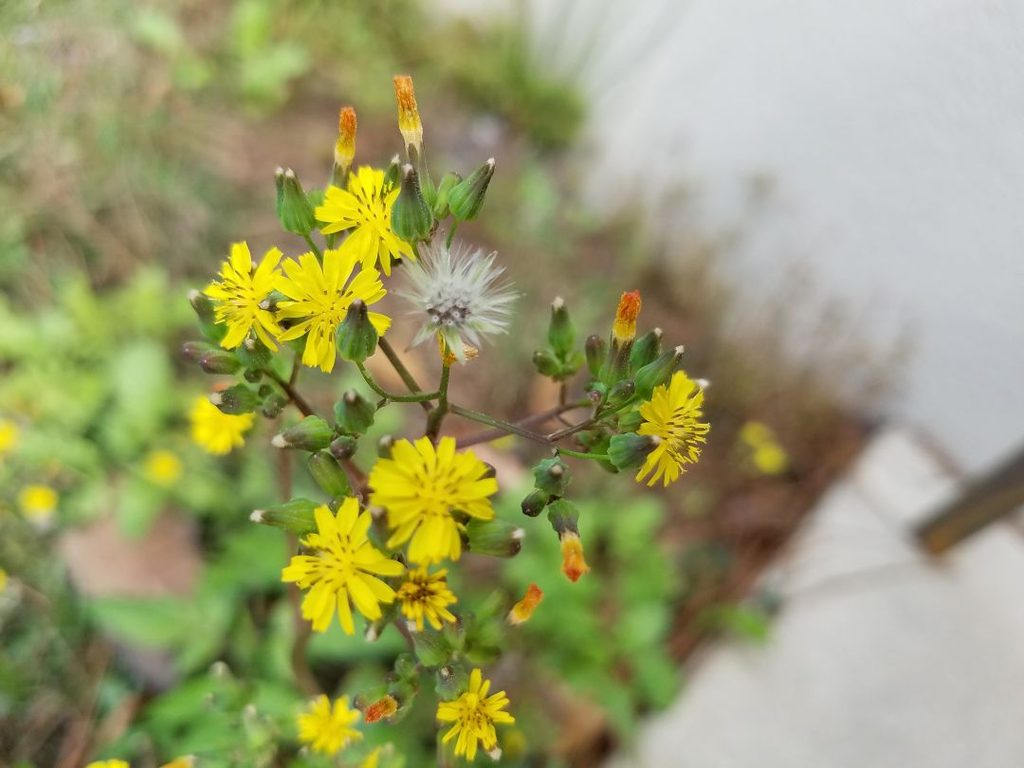
And a lot of those “weeds” people pull out?
Some of them have pretty nice flowers.
Around here we sometimes just call them weed flowers.
Maybe the body knows what it’s doing
The more time I spend outside, the more I notice something about nature.
It doesn’t like empty spaces.
If soil is bare, something grows.
If sunlight reaches the ground, life starts pushing upward.
And I sometimes wonder if the same thing might be true for us.
Maybe when we give the body the right conditions — sunlight, sleep, real food, movement, and time outside — it naturally moves back toward balance.
Maybe these small habits are doing more than we realize.
And maybe the body really does know what it’s doing.
Maybe we just need to support it a little better.