

The Quiet Power of Reading
I’ve always been a reader. There’s just something about sitting down with a real book and letting everything else fade into the background. The weight of the book in my hands, the quiet, the way time slows down — I crave that.
Reading on a screen doesn’t do the same thing for me. I get distracted. My eyes feel strained. And my mind doesn’t wander the way it does with a book.
And that wandering — those random connections and thoughts that show up out of nowhere — that’s part of the magic. Sometimes I learn things while reading that aren’t even in the book. I’ve always noticed that, but never really knew why.
Then I came across a talk from a scientist who studies reading, and it helped everything click into place. The more I dug into it, the more amazed I became — not just at reading, but at how astonishing our bodies and minds really are. They’re always trying to repair, adapt, grow, and make sense of the world.
Reading turns out to be one of the simplest ways to help them do that.
We Weren’t Born Knowing How to Read
So the brain literally builds the ability from scratch. It rewires itself by borrowing from the vision centers, the language centers, the memory networks, and even the emotional parts. Scientists call this “neuronal recycling.”
I call it another example of how incredible the human body is.
Reading forms new pathways.
New capabilities.
New possibilities.
That explains why picking up a book doesn’t just feel good — it changes us.

A Whole-Brain, Whole-Body Experience
All four lobes get involved.
- We see the words
- We translate them into sound
- We connect them to meaning
- We predict what’s coming
- We imagine the scenes
- We feel the emotions
And sometimes we even feel the story in our gut. The same part of the brain that handles stomach sensations is involved in empathy. That knot you get when something intense is happening in the story? It’s real.
Reading also settles the nervous system.
Your breathing slows.
Your body relaxes.
Your stress drops.
It’s a simple way to shift the body back toward repair — something most of us need more of.
When the Best Insights Aren’t in the Book
When we settle in with a book — especially one that pulls us in — the brain enters a state where it starts syncing, sorting, and connecting things behind the scenes. Science calls it mind-wandering, but it’s not aimless.
It’s creativity.
It’s memory.
It’s problem-solving.
It’s the brain integrating what you’re reading with what you already know.
That’s why ideas show up that weren’t on the page.
It’s the same thing that happens on a long walk or while paddling down a quiet creek.
Stillness invites insight.
Reading gives the brain that same kind of space.
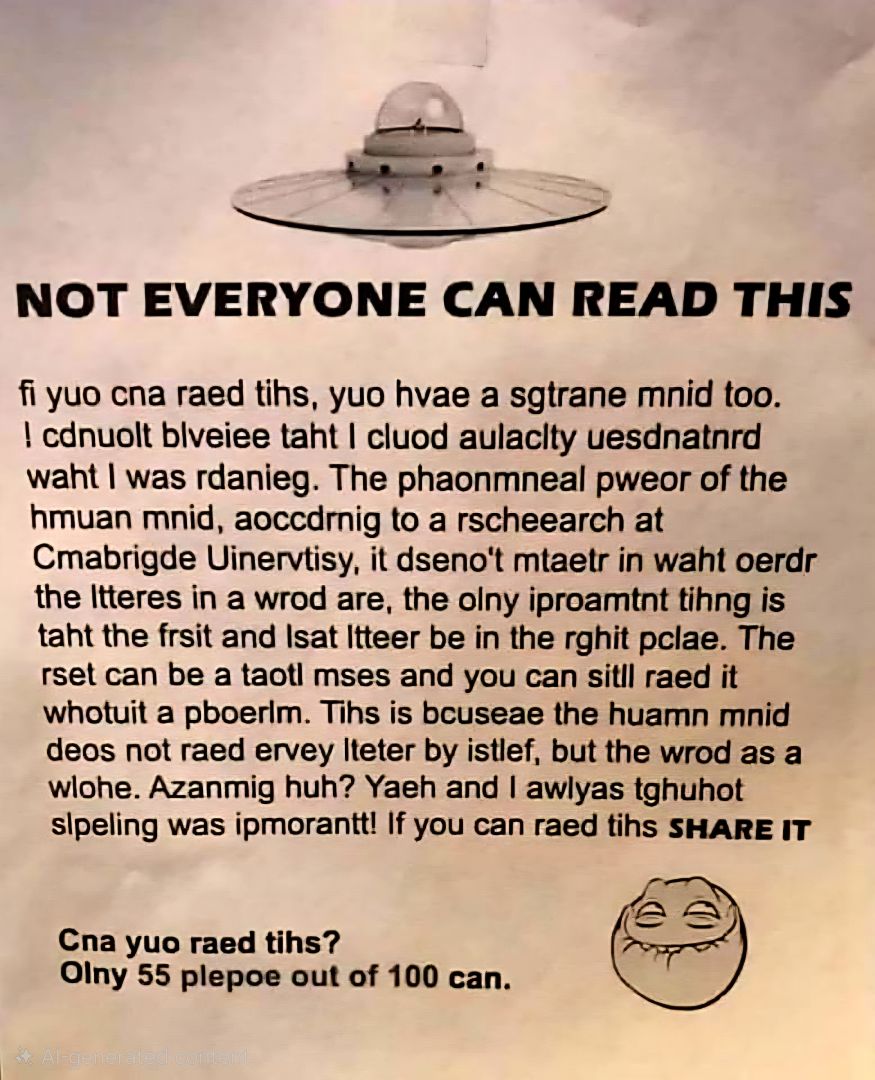
Reading Builds Wisdom, Empathy, and Perspective
That builds empathy.
It builds emotional intelligence.
It builds perspective — something we could all use more of.
In a time when everything feels rushed, reading slows us down just enough to pay attention — to others, to ourselves, and to the world around us.
Print Books in a Digital Age
Print books do the opposite.
They ask you to slow down.
To focus.
To stay present.
To immerse yourself fully.
That’s where the benefits live — in the unhurried, intentional pace of reading.
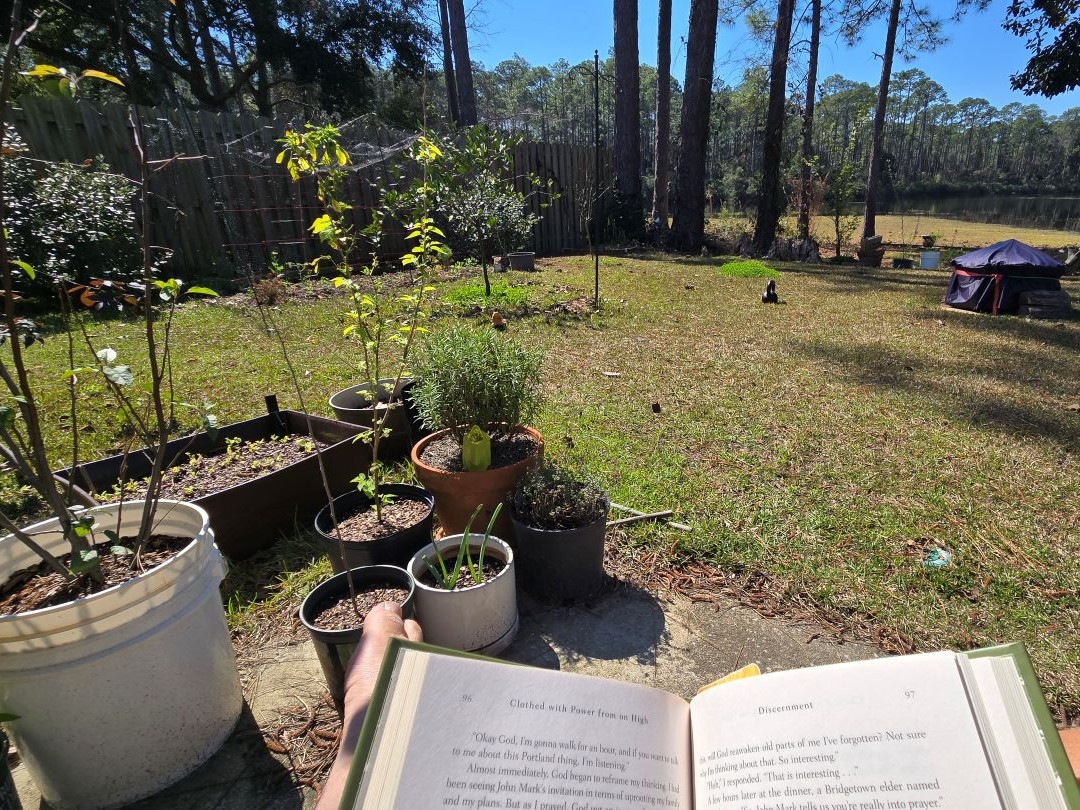
And for me, reading outside is even better. Natural light is easier on the eyes than indoor LEDs. I can read without glasses. And my attention feels sharper. There’s something about being outdoors that helps the whole body settle.
A Simple Practice With Lifelong Benefits
It keeps the brain adaptable.
It strengthens attention.
It reduces stress.
It sparks creativity.
It helps us grow in empathy.
And it reminds us of the bigger story we’re all living in.
For me, reading is nourishment.
It’s stillness.
It’s discovery.
It’s a way to stay grounded while continuing to learn.
Closing Thoughts
So maybe this is your reminder — find a quiet spot, grab a real book, and let your mind wander for a while.
You never know what might show up between the lines.